Written by Maria Thompson
📸 Getty Images
Earlier this year, the Bahrain and Saudi Arabian Grands Prix were cancelled due to escalating tensions between Iran and the United States. The cancellations resulted in an unexpected break in the Formula 1 calendar, leaving teams across the paddock facing two extended periods of inactivity during the season.
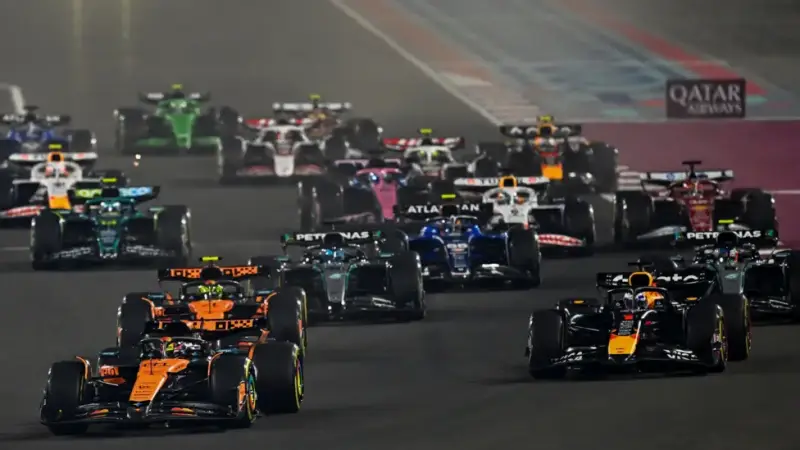
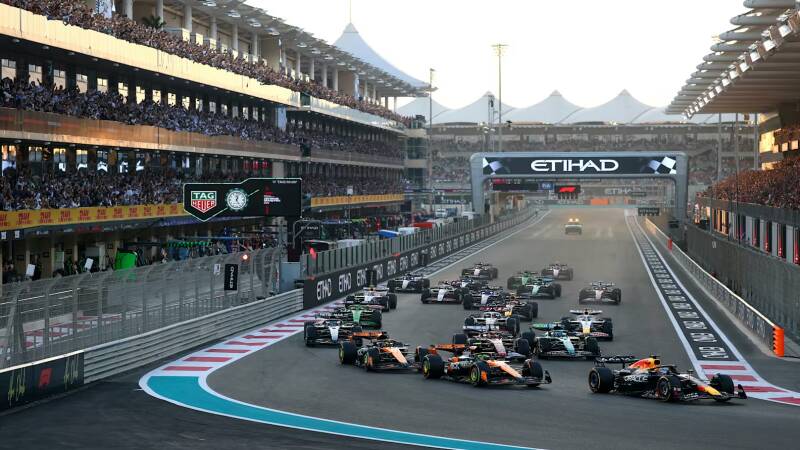
Although the decision raised questions among supporters at the time, it was widely understandable given the circumstances. However, with ongoing concerns surrounding the situation in the Middle East, questions must now be asked as to why the FIA has not taken similar action regarding the upcoming Qatar and Abu Dhabi Grands Prix.
With the Drivers' Championship already decided in Mexico, there is arguably even less justification for proceeding with the remaining races if legitimate safety concerns persist. Nevertheless, there appears to be little indication that either event will be cancelled.
A similar situation has recently emerged in MotoGP, where Yamaha announced that it would not participate in the Qatar Grand Prix, citing concerns over the safety of its personnel. The decision meant that both Yamaha teams and their four riders would be absent from the event.
The announcement prompted questions over whether the manufacturer would face sporting sanctions for withdrawing. However, FIM President Jorge Viegas confirmed that no penalties would be imposed.
Yamaha's decision demonstrates the importance of prioritising the welfare of team personnel and competitors, even when doing so could potentially carry sporting or financial consequences.
Of course, the financial implications of cancelling major international sporting events cannot be ignored. Formula 1 operates on a global scale, with substantial commercial agreements, sponsorship commitments and logistical considerations influencing decisions of this nature.
However, while extensive security measures may be implemented for both races, the fundamental question remains: should these events be taking place under the current circumstances?
Reports suggesting that Mercedes and Ferrari have informed staff that they are not required to travel if they feel uncomfortable or unsafe only add to those concerns.
If teams themselves are taking additional precautions and offering personnel the option to withdraw from travelling, it raises legitimate questions about whether proceeding with the events is the most appropriate course of action.
📸 Getty Images
Personally, I believe the Formula 1 season should have concluded in Las Vegas. Not necessarily because of the circuit itself, but because the championship has already been decided and the potential benefits of continuing the season must be weighed against the concerns surrounding safety.
Concluding the campaign early would provide teams with additional time to rest, regroup and focus on development ahead of next season. More importantly, it would remove the need for hundreds of team members, officials and support personnel to travel to a region where security concerns remain.
Ultimately, this situation raises a familiar question within Formula 1: are commercial interests being prioritised over the welfare of those involved in the sport?
There is no denying the considerable financial consequences that would accompany the cancellation of two Grands Prix. However, financial commitments should never outweigh the responsibility to protect drivers, team personnel and everyone involved in delivering these events.
The FIA and Formula 1 have a duty to ensure that safety remains at the forefront of their decision-making. While the sport has demonstrated its willingness to make difficult decisions earlier in the season, its current approach risks creating the perception that commercial considerations are taking precedence.
For a sport that consistently emphasises the importance of safety, that is a concerning message to send.
Ultimately, I hope both events pass without incident. However, should the situation deteriorate over the coming weeks, those responsible may find themselves facing difficult questions about whether proceeding with these races was the correct decision.
Safety should never be negotiable, regardless of the financial implications.
Add comment
Comments